Dr. Amresh Shrivastava

MD, DPM, FRCPsych, FRCPC, FAPA

Psychiatrist

Professor Emeritus, Western University, Canada Director, Mansik Shakti Foundation, India Clinician, Educator, researcher and author

Read More

Dr.Amresh Shrivastava

Psychiatrist, Mental Health Advocate, and Educator

Dr. Shrivastava is currently leading a non-profit initiative focused on student mental health in India. His mission is to build mental health capacity across educational systems, enhance access to timely care, and reduce the burden of mental health conditions among students. He strongly advocates for a paradigm shift in mental health thinking—one that emphasizes early identification of risk, the cultivation of positive psychological strengths, and the recognition of mental well-being as a cornerstone of academic success, physical health, and personal fulfillment.

Read More

Amresh Kumar Shrivastava

  • Psychiatrist in mental health education
  • Professor Emeritus of Psychiatry at the Western University
  • Scientist, Mental health, Lawson Health Research Institute, London, Ontario, Canada
  • Director, Mansik shakti Foundation A Program for Students mental health

Current Initiative

  • Mental health facilitator for students and setting up university mental health programmes
  • Mental health education
  • Digital Mental health

Mansik Shakti Foundation

Director

The Mansik Shakti Foundation is a registered non-profit organization (Section 8 company) based in India, dedicated to promoting mental health and academic excellence, particularly among students. Guided by the principles of "Healthy Brain, Healthy Mind" and "Mental Health for Academic Excellence," the foundation focuses on early intervention, prevention, and the development of evidence-based mental health strategies.

The foundation employs culturally validated psychometric tools to assess various noncognitive factors influencing student success and mental health, including stress levels, psychiatric warning symptoms, resilience, and self-efficacy. These tools are integrated into digital platforms, such as mobile apps and web-based interfaces, to facilitate self-assessment, screening, and personalized guidance for students.

By leveraging technology and research-driven methodologies, the Mansik Shakti Foundation aims to empower students, reduce stigma, and create supportive academic environments conducive to mental well-being.

Our organization - Mansik Shakti Foundation - believes in this direction. By promoting mental health education, offering counseling services, and advocating for policy changes, we want to help develop a more supportive and understanding environment for students. However, the collective effort of the government, educational institutions, parents, and the community is essential to bring about a lasting change.

The foundation

Mansik Shakti Foundation is a registered Section 8 non-profit organization established with a focused commitment to promoting mental health and emotional well-being, particularly among students and youth in India. Founded by a team of experienced psychiatrists, public health professionals, educators, and digital innovators - many of whom bring global academic and clinical experience - the Foundation was created in response to the urgent need for accessible, stigma-free, and evidence-based mental health care.


History and Vision


Established formally in 2024, the Foundation was created with the vision of transforming mental health into a publicly acknowledged, systemically supported, and technologically integrated human right. Over the years, MSF has evolved into a platform for advocacy, service delivery, digital innovation, and capacity building in mental health.

The Mansik Shakti Foundation was conceived in response to the growing mental health crisis among students in India, particularly those grappling with stress, anxiety, depression, and suicide in the student population. The foundation’s primary aim is to bridge the gap between students and mental health care, ensuring that mental wellness becomes an integral part of the educational framework in India.



MhASS

Mental health Assessment Scale for students (Mumbai)

A group of psychometric tools which have been digitalised, for assessment of student’s mental health.

  • Severity and source of stress
  • Mental health (warning symptoms, clinical psychopathology and risk)
  • Mental strength (Resilience and level of Functioning)

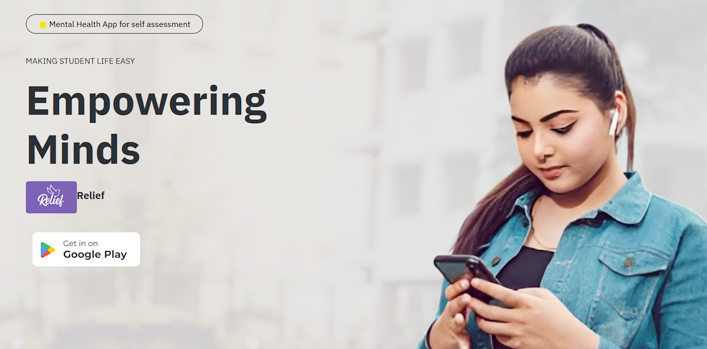
Relief- A digital application for students


Area Of Special Interest

Suicide Prevention Student Mental Health
Early intervention programs

The Untold Story: Mental Health for Academic Excellence

What if the biggest secret to success wasn’t just hard work, intelligenceor talent - but mental health? The Untold Story reveals a hidden truth: students often overlook the role of mental well-being in achieving academic excellence. This book breaks the silence, offering students, educators, and parents a new perspective on education - one that integrates emotional resilience, psychological strength, and self-awareness as essential tools for academic achievement. With research-backed insights, real-life examples, and practical strategies, The Untold Story empowers students to take charge of their mental well-being and unlock their true potential.


Amresh Shrivastava

Charles Nelson

The SISMAP Scale is a structured, multidimensional tool developed to assess suicide risk comprehensively designed in collaboration with internationally renowned neuroscientist and developmental psychologist Dr. Charles A. Nelson, the SISMAP Scale integrates multiple parameters and not only assess the risk but also guides for planning and management.

Although a number of suicide-risk assessment tools are available to clinicians, the high levels of suicide still evident in society suggest a clear need for new strategies in order to facilitate the prevention of suicidal behaviors. Studies examining the utilization of a new structured clinical interview called the Scale for Impact of Suicidality Management, Assessment, and Planning of Care (SIS-MAP) have shown specificity of the scale as 78.1%, while the sensitivity of the scale was 66.7%. Additionally, mean total scores on the scale were used to establish clinical cutoffs to facilitate future level of care decisions.

Amresh Shrivastava

Yves Beauro

Scale for Quantification of Stigma for Clinical Assessment in Psychiatric Practice’ - ‘SQS’.

Objective of the project was to develop a quantification tool for measurement of stigma in clinical practice for the purpose of identifying patients who have suffered severe stigma with the hopes of identifying and treating stigma related issues. Our tool which includes 49 items, quantifies four domains of stigma: (1) Personal; (2) Family; (3) Social; and (4) Illness. In addition, the items are distributed into three subscales: (a) self-experience; (b) illness related consequences; and (c) coping strategies.


He serves as Professor Emeritus of Psychiatry at Western University in London, Ontario, Canada, and is an Adjunct Scientist at the Lawson Health Research Institute.

Contact Us - dr.amresh@gmail.com

Please fill out the enquiry form.